
Product launch catering in Maryland: Turning hospitality into part of the brand experience
A product launch gives a company a limited opportunity to shape how clients, media, partners and employees experience something new. The catering may not be the featured product, but it influences how guests move through the room, how long they remain engaged and what they remember about the event.
At Copper Kitchen, we approach corporate event catering in Maryland as part of the complete event strategy. For a product launch, this means understanding the brand, audience, presentation schedule and desired atmosphere before developing the menu.
The food should support the launch rather than compete with it. Service should feel polished without interrupting demonstrations or conversations. Presentation should complement the visual identity while remaining practical for the venue and guest count.
When these elements work together, catering becomes a natural extension of the experience the company wants to create.
Begin with the purpose of the launch
Not every product launch has the same objective.
One company may be introducing a product to clients and industry partners. Another may be hosting media, investors or influencers. An internal launch may focus on educating employees and building enthusiasm before a public release.
The objective influences the menu and service style. A media event may need food that can be enjoyed while guests photograph, interview and circulate. A client launch may call for a more refined reception. An internal presentation may benefit from a structured meal before or after the formal program.
During the initial conversation, we establish who will attend, what they need to experience and which moments require their full attention. That information allows us to design catering around the launch instead of treating it like a generic company party.
Translate the brand into the catering experience
A product launch should feel consistent from the invitation through the final guest interaction. Food, presentation and hospitality all contribute to that consistency.
A brand built around innovation may benefit from interactive service and contemporary presentation. A luxury product may call for a more restrained menu with precise plating and highly attentive service. A company emphasizing sustainability or regional identity may want seasonal ingredients and a menu connected to the Mid-Atlantic.
We do not translate a brand by adding a logo to every display. The strongest connection is often more subtle: color, menu composition, service pace, presentation materials and the way guests encounter each selection.
The catering should feel unmistakably appropriate for the company without distracting from the product itself.
Plan the menu around how guests will participate
Guests at a product launch are rarely focused on dining alone. They may be watching a presentation, testing a product, networking, speaking with company representatives or moving through several activation areas.
The menu must account for that behavior.
Small composed bites can work well during arrival and networking because guests can enjoy them without leaving the conversation. Stations provide choice and can become part of the room’s visual experience. A seated meal creates more structure when the launch includes an executive presentation or formal client program.
We consider whether guests will be standing, carrying materials, using devices or interacting with displays. Food that is difficult to handle can create frustration even when it tastes excellent.
Passed hors d’oeuvres
Passed service brings food to guests while they circulate. It works well during arrivals, networking and periods when attendees are exploring the product.
The selections should be easy to enjoy in a few bites and should not require guests to manage multiple utensils. Service coverage also matters. Enough staff must circulate throughout the space so one group does not receive repeated attention while another is missed.
Chef-attended and interactive stations
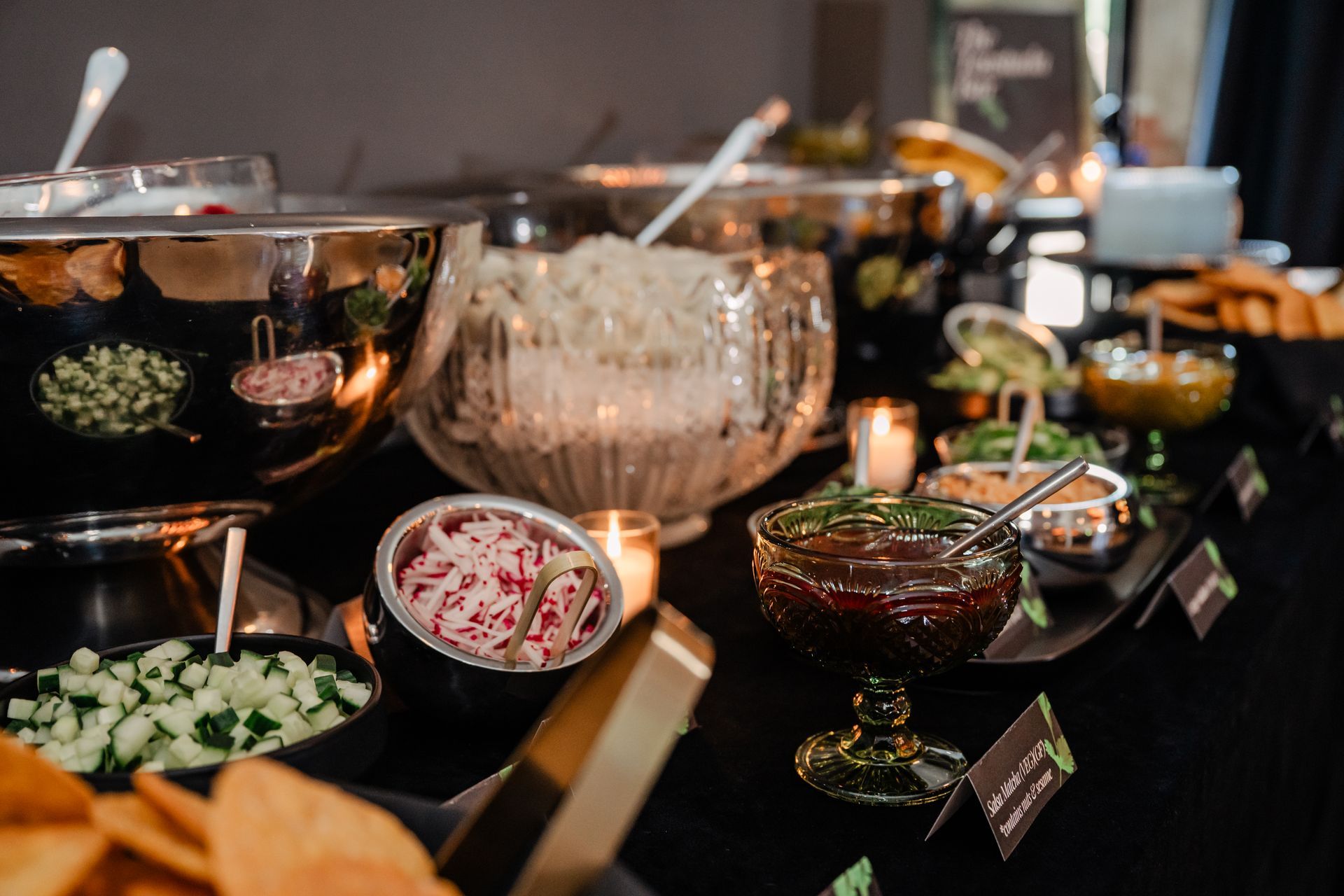
Stations can create energy and visual interest while allowing guests to choose their experience. They can also help distribute attendance across a larger venue.
Each station needs sufficient room, lighting and staff. Its location should encourage movement without blocking product displays, presentation areas or entrances.
We plan station capacity as carefully as the menu. An interactive element should add interest without producing a line that pulls attention away from the launch.
Seated dining
A seated meal can support executive dinners, investor presentations and formal client launches. It gives the event a defined rhythm and allows the company to hold the room’s attention.
Service timing must be coordinated with speakers, demonstrations and audiovisual cues. Plates should not arrive during a key announcement, and clearing should not distract from an executive presentation.
Build the service timeline around the reveal
The product reveal is the central moment of the event. Every catering decision must respect it.
Food service may need to pause before a presentation begins. Staff movement should be limited when guests are expected to focus on a screen or stage. If the reveal changes where people gather, stations and beverage areas should be positioned accordingly.
The catering timeline may include an arrival reception, a temporary service pause, a formal reveal and a more social period afterward. Each phase serves a different purpose.
We review the complete program with the company, planner and venue so our culinary and service teams know when to be visible and when to operate quietly behind the scenes.
Protect the product presentation from operational distractions
A polished menu cannot compensate for poor logistics.
Service paths should not cross in front of the main display. Catering equipment should remain outside photography backgrounds unless intentionally incorporated into the design. Beverage stations should be accessible without becoming the visual focus of the room.
We also consider sound. Glassware, dish clearing and equipment movement can be distracting during presentations or recorded media moments.
These details are resolved through floor planning and coordination. Our goal is to deliver attentive hospitality without allowing catering operations to compete with the product.
Use presentation with restraint and purpose
Product launches often have a defined visual system. Catering presentation should support that system without turning food into an advertisement.
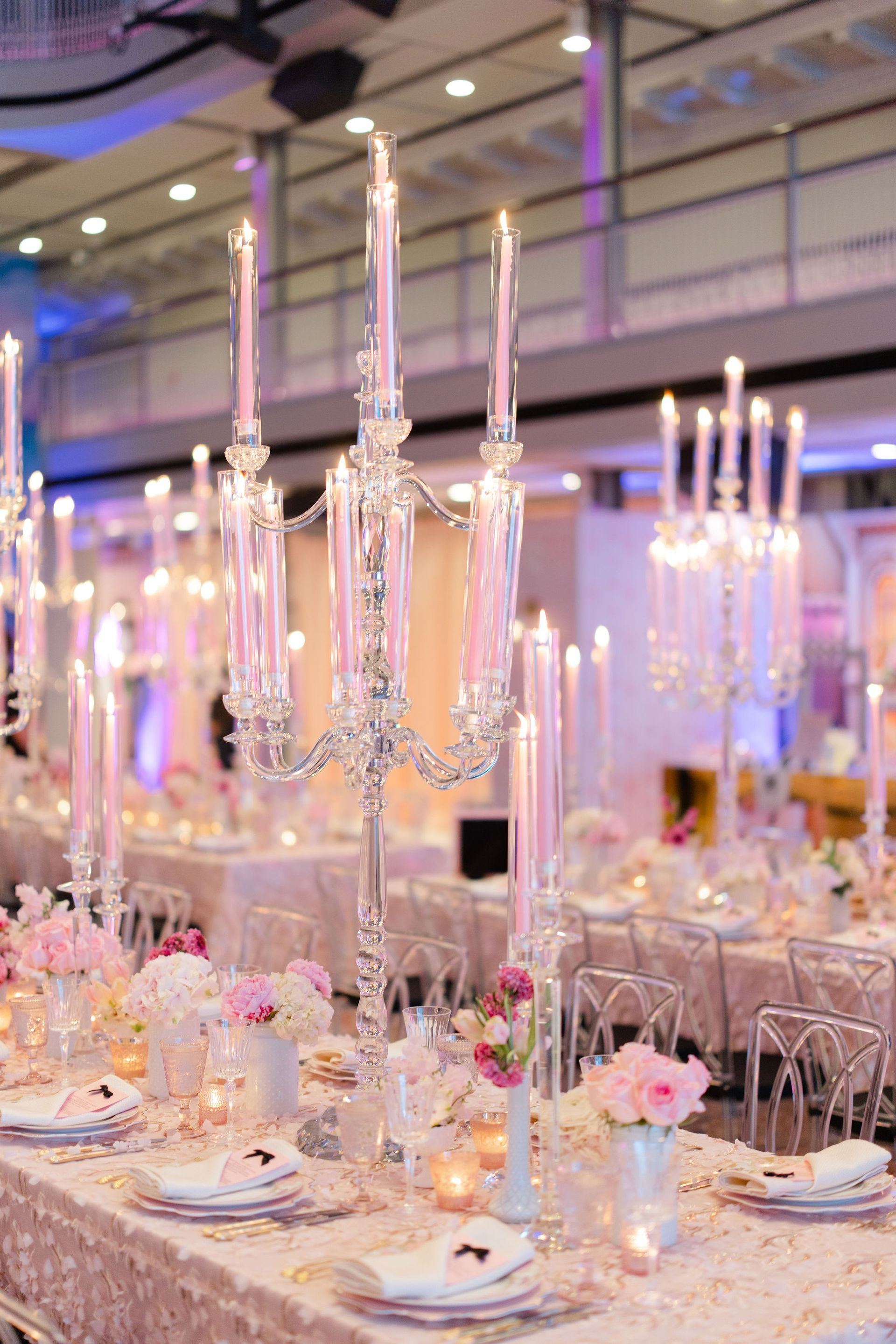
Color can be incorporated through ingredients, flowers, linens or serving pieces. The shape and scale of displays can reflect the tone of the event. A modern launch may benefit from clean lines and structured presentation, while a hospitality-focused brand may call for something warmer and more abundant.
The practical requirements remain important. Food must stay at the appropriate temperature, displays need to be replenished and service areas must remain orderly throughout the event.
Our presentation decisions combine visual impact with the operational discipline needed to maintain the experience from the first arrival through the final guest.
Choose seasonal ingredients that support the event
Seasonal ingredients provide flavor, color and a natural connection to the time and place of the launch.
Copper Kitchen develops chef-led menus influenced by the seasonal bounty and culinary heritage of the Mid-Atlantic. We use that foundation to create food that feels considered rather than generic.
Seasonality does not require the launch to follow a rustic or farm-inspired aesthetic. Fresh regional ingredients can be presented in a modern, refined or formal way depending on the brand.
Companies can explore our sample catering menus for inspiration. We then adapt the menu to the launch format, audience, venue and service requirements.
Planning a product launch, brand activation or client event in Maryland?
Connect with a Copper Kitchen event designer to discuss the launch schedule, venue, audience, menu direction and service requirements.
Account for clients, media and internal stakeholders
A launch audience may include people with different reasons for attending.
Clients need time to understand the product and speak with company representatives. Media attendees may be photographing, recording or conducting interviews. Employees may be supporting demonstrations while also participating in the event.
The catering plan should give each group access to food without requiring everyone to follow the same schedule.
A continuously available station may support guests who arrive at different times. Passed selections can reach attendees occupied near demonstration areas. Individually presented meals may be appropriate for staff members who cannot leave their assigned positions for long.
Understanding these roles helps us create a service plan that supports the entire room.
Address dietary needs without fragmenting the menu
Dietary accommodations should be incorporated during menu development.
The host should collect vegetarian, vegan, gluten-free and allergy-related requirements through registration whenever possible. We can then determine which needs can be addressed within the primary menu and which require individually identified selections.
At stations and displays, clear identification helps guests make informed choices without searching for a staff member. For passed service, the event team should understand how dietary selections will reach the appropriate guests.
Copper Kitchen’s article on what gluten-free catering really means explains why ingredients, preparation and communication all matter when planning accommodations.
Evaluate the venue before approving the final scope
The venue affects what can be prepared, where it can be served and how long setup will take.
A corporate office may have elevators, security procedures and limited kitchen space. A showroom may prioritize product displays over catering infrastructure. A private venue may offer stronger production areas but restrict loading or setup times.
We review access, power, water, refrigeration, preparation space and the room layout before finalizing the operational plan. We also determine how catering staff will move between production and guest areas.
Companies still comparing settings can explore Copper Kitchen’s Maryland event venues. We also work at other locations when the venue can support the approved catering scope.
Coordinate with audiovisual and production teams
Product launches often rely on audiovisual equipment, lighting, staging and branded installations. These vendors may require the same loading areas and setup windows as the catering team.
Coordination should happen before the event day.
We need to know when sound checks will occur, where cables and equipment will be located and whether production work will restrict access to service areas. Catering tables, stations and bars must also be included in the final floor plan.
A coordinated setup prevents one vendor from completing work that another team must later move or disrupt. It also protects food service areas from construction dust, equipment traffic and last-minute layout changes.
Match staffing to the complexity of the launch
Guest count is only one factor in determining staffing. An event spread across several rooms requires broader service coverage. Passed hors d’oeuvres need enough staff to circulate consistently. Multiple stations require attendants who can maintain presentation and guest flow.
A program with precise service pauses needs experienced leadership coordinating the culinary and event teams.
We establish staffing after reviewing the venue, menu, audience and timeline. This allows us to assign the level of support required to execute the plan rather than relying on a standard formula.
The proposal should explain whether setup, guest service, clearing and breakdown are included. Hosts comparing options should evaluate the complete service scope, not only the menu price.
Prepare for changes in attendance and timing
Product launches can experience late registration, changes in media attendance or adjustments to the presentation schedule.
The catering plan should establish when the final guest count and dietary information are due. It should also identify which changes can be accommodated after that point.
One authorized company representative should serve as the event-day contact. If a presentation begins late or the guest flow changes, that person can coordinate with our catering lead to approve an adjusted service time.
Preparation does not eliminate every change. It gives the team a clear way to respond without creating confusion during the event.
Measure success through the guest experience
The value of catering at a product launch is not limited to whether enough food was served.
Successful catering helps guests feel welcomed, supports conversations and preserves the pace of the program. Service should remain present without becoming intrusive. Food displays should maintain their appearance, and dietary accommodations should reach guests smoothly.
After the event, companies may consider which service periods generated the strongest interaction, which menu items performed well and whether the schedule gave guests enough time to connect.
These observations are valuable for future launches, client events and company celebrations.
Plan product launch catering with Copper Kitchen
A product launch works best when every element reinforces the same experience. The menu, presentation and service should reflect the company’s standards while keeping attention on the product and the people gathered to experience it.
Copper Kitchen provides corporate catering throughout Maryland for product launches, brand activations, conferences and company celebrations. Our team develops chef-led menus and coordinated service plans around the event’s audience, venue, schedule and objectives.
Related corporate catering resources