
Wedding Catering in Baltimore: How Venue Timing Shapes Menu and Service Decisions
A wedding meal deserves time to be enjoyed. Guests need a welcoming start, dinner needs room within the celebration, and the transition to dancing should feel natural. The venue’s schedule helps determine how those moments unfold.
At Copper Kitchen, we plan wedding catering in Baltimore, MD by developing the menu and service schedule together. Access for setup, ceremony timing, room transitions and the venue’s required end time all influence the dining experience.
When these details are considered together, couples can choose a menu that reflects their tastes while giving guests time to enjoy each part of the reception. The result is a celebration with a comfortable pace, from the first passed bite to dessert.
Venue Access Establishes the Preparation Window
The catering schedule begins before guests arrive. Table setup, beverage stations and kitchen preparation need to be coordinated within the venue’s permitted access period.
That preparation window can affect the service plan. A reception requiring an extensive room setup or several food stations may need different arrangements from a seated dinner in a space that is already prepared.
Setup Time Is Different From Reception Time
The hours reserved for the celebration do not necessarily represent the full period available to the catering team. Access for deliveries, setup and breakdown needs to be confirmed separately.
Establishing those arrangements early allows the catering plan to reflect the venue agreement. It also helps couples understand how their preferred dining format fits the space and schedule.
Kitchen Facilities Affect How the Menu Is Served
Kitchen access, preparation space and the distance to the dining room influence how dishes are finished and served. Those conditions vary by property.
The menu needs to work with the facilities available for the event. Reviewing that relationship during planning helps the culinary team deliver the intended presentation and quality of each course.
The Ceremony Schedule Shapes the First Food Service
The interval between guest arrival and dinner affects the role of cocktail hour. A ceremony held at the reception venue creates a different sequence from one followed by travel to another location.
The catering plan needs to account for when guests will arrive, whether they will arrive together or in smaller groups, and how long they will mingle before being seated.
Cocktail Hour Needs the Right Balance
Passed hors d’oeuvres and displays can welcome guests while the couple takes photographs or prepares to enter the reception. The variety and portion sizes should reflect both the time until dinner and the meal that follows.
A longer interval may call for a different food plan from a brief welcome reception. The objective is to keep guests comfortable while preserving the progression of the menu.
The Couple’s Schedule Matters Too
Photographs and family gatherings can mean the couple experiences cocktail hour differently from their guests. Reviewing their schedule creates an opportunity to plan time for them to enjoy the food as well.
That attention keeps the menu connected to the couple’s experience, as well as to the comfort of everyone they have invited.
Room Transitions Need Space in the Schedule
Baltimore wedding venues offer different ways to move through a celebration. A courtyard ceremony, a separate cocktail room and an indoor dining space can give each part of the day its own atmosphere.
Those transitions also take time. Guests need to move between spaces, find their tables and settle in before dinner service begins.
Copper Kitchen’s Baltimore venue partners offer a range of layouts and settings. Understanding the selected property helps connect the use of each space with the order of service.
A Room Change Can Affect When Dinner Begins
When one room serves more than one purpose, the interval between uses becomes part of the event plan. Furniture, place settings and service areas may need to be rearranged before guests return.
Allowing sufficient time for that transition establishes a realistic starting point for dinner. The menu and service can then be planned around the time available for the meal.
Outdoor portions of the celebration also benefit from a confirmed alternative for unsuitable weather. Any change in location or layout needs to be considered alongside food and beverage service.
The Dinner Window Helps Determine the Service Style
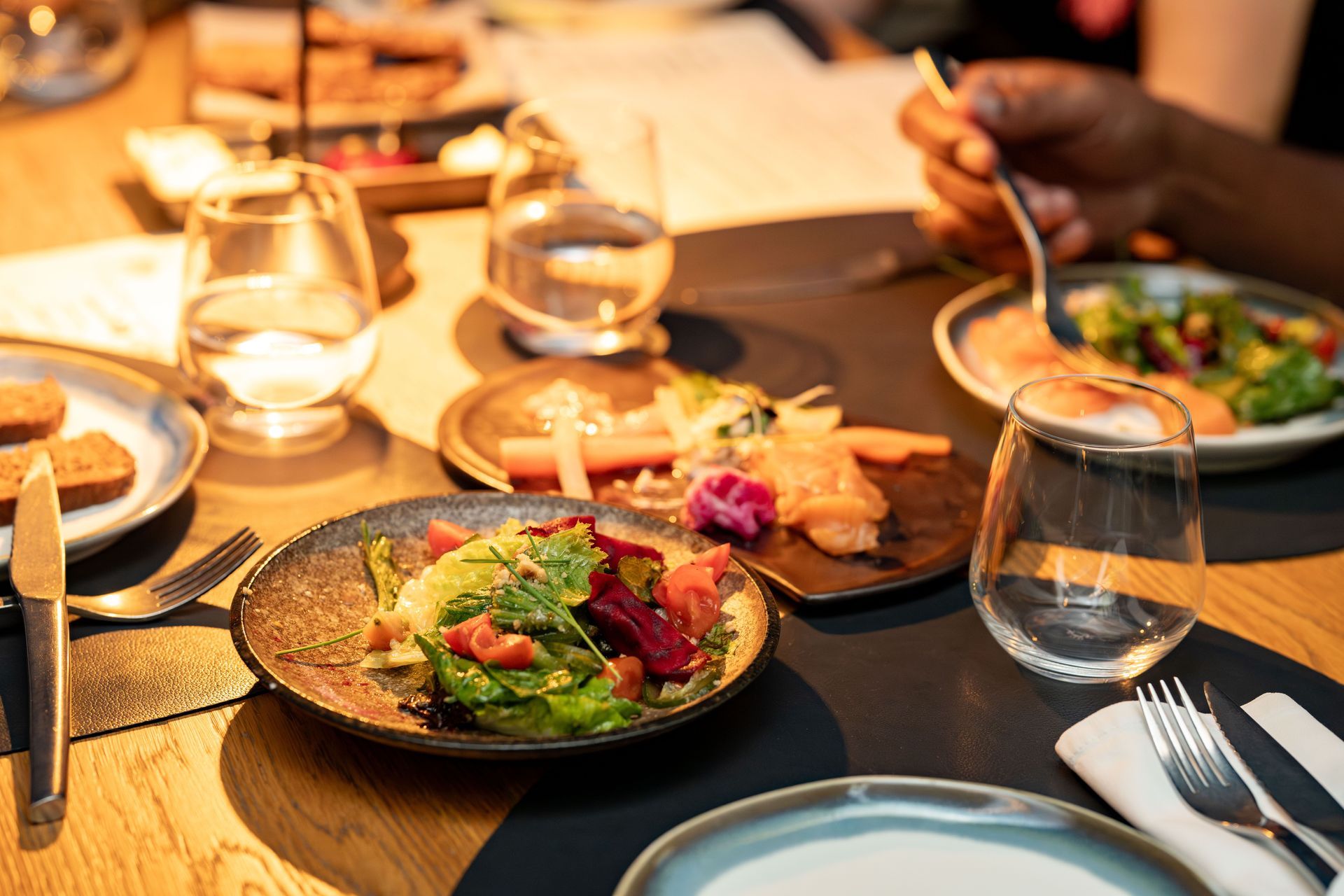
Plated service, buffets and stations create different dining experiences. The available time, guest count and room layout help establish which format best supports the reception.
A seated dinner offers a shared progression through the meal. Stations encourage movement and variety. A buffet gives guests a selection of dishes during a defined meal period.
The time required for each format depends on the event. Menu complexity, staffing, the number of service points and movement through the room all affect the pace.
Plated Courses Need Time to Be Served and Enjoyed
The number of courses should suit the dinner window. Time is needed for serving, dining and clearing, as well as for any speeches or other moments planned around the meal.
A focused menu can feel generous and complete when each course has a clear place in the evening. Additional courses work best when the schedule gives guests time to appreciate them.
Buffets and Stations Depend on Guest Flow
The position and number of service points affect how guests reach the food and return to their tables. Station menus also need to reflect whether guests will be seated or moving through the reception.
These decisions belong alongside the floor plan. Together, they establish a dining format that supports both the menu and the atmosphere of the celebration.
Which Dining Style Fits the Celebration You Have in Mind?
Explore Copper Kitchen’s sample menus for a starting point. A menu conversation can connect the flavors you love with your venue, guest count and available dining time.
Menu Choices Need to Work Within the Service Plan
Guests experience a dish through its flavor, presentation and timing. The menu therefore needs to be considered as a sequence, with each selection contributing to the meal as a whole.
Some dishes suit a composed plated course. Others work well as passed bites or station selections. Choosing the appropriate format allows the culinary team to present each dish as intended.
Our wedding catering services center on seasonal, chef-led menu design, with the service approach developed around the celebration.
Dietary requirements also need attention during menu planning. Identifying those needs early allows the culinary and service teams to discuss suitable selections and how they will be served. Specific allergies and preparation requirements need a direct conversation with the culinary team.
This coordination helps individual meals fit into the overall dinner service, with the agreed accommodations addressed before the wedding day.
Toasts and Formal Moments Influence the Pace of Dinner
Introductions, speeches and dances are important parts of the reception. Their placement affects when courses can be served and when guests can give their attention to the people speaking.
A toast before dinner creates a different service sequence from speeches between courses. The catering team, planner and entertainment team need a shared understanding of those moments.
A Shared Schedule Supports Better Transitions
An agreed sequence allows food service and formal moments to complement one another. It also establishes how the teams will communicate if the ceremony, photographs or an earlier part of the reception takes longer than expected.
The plan can allow some flexibility while respecting the venue’s confirmed service and departure times. Adjustments work best when they are coordinated across the event team.
For the couple, that preparation means fewer timing decisions to manage during the reception and more time to participate in the celebration.
Dessert and Final Service Need Their Own Place in the Evening
Dessert may follow dinner, accompany the cake cutting or appear later while guests are dancing. Each approach changes how guests experience the final part of the menu.
The right timing depends on the length of the reception and the role dessert plays in the celebration. A later food service may also be considered when it suits the event and the agreed catering scope.
Guest Departure and Breakdown Are Different Milestones
The end of the reception is one point in the venue schedule. Final beverage service, clearing, rental collection and the catering team’s departure may have separate deadlines.
Confirming those arrangements early helps establish appropriate times for the final food and beverage service. It also ensures that the plan accounts for the work required after guests leave.
Food, beverages, staffing, rentals and cleanup responsibilities need to be clearly addressed in the proposal. Their scope should be established before the final schedule is approved.
A Tasting Connects Personal Preferences With the Reception Plan
A tasting gives couples an opportunity to experience potential selections and discuss how the menu will progress throughout the evening. Flavors, portions and presentation become easier to evaluate when considered together.
The venue schedule adds another useful dimension to that conversation. A favorite dish can be discussed in relation to the service style, the time available for dinner and the other courses being considered.
At Copper Kitchen, we bring private tastings, seasonal menu design and event coordination into the wedding planning process. Culinary preferences and practical arrangements can develop together, creating a dining experience that feels personal and well paced.
For a Baltimore wedding, that means guests have time to enjoy the meal, the couple has room to participate, and each stage of service supports the celebration around it.
Ready to Plan a Wedding Menu Around Your Baltimore Venue and Celebration?
Connect with a Copper Kitchen Event Design Specialist to discuss your date, venue, guest count and preferred dining style. Together, we can develop a menu and service plan that reflect how you want the day to feel.
Related wedding menu and reception planning resources