
When to Book Wedding Catering: A Timeline From Venue Selection to Final Guest Count
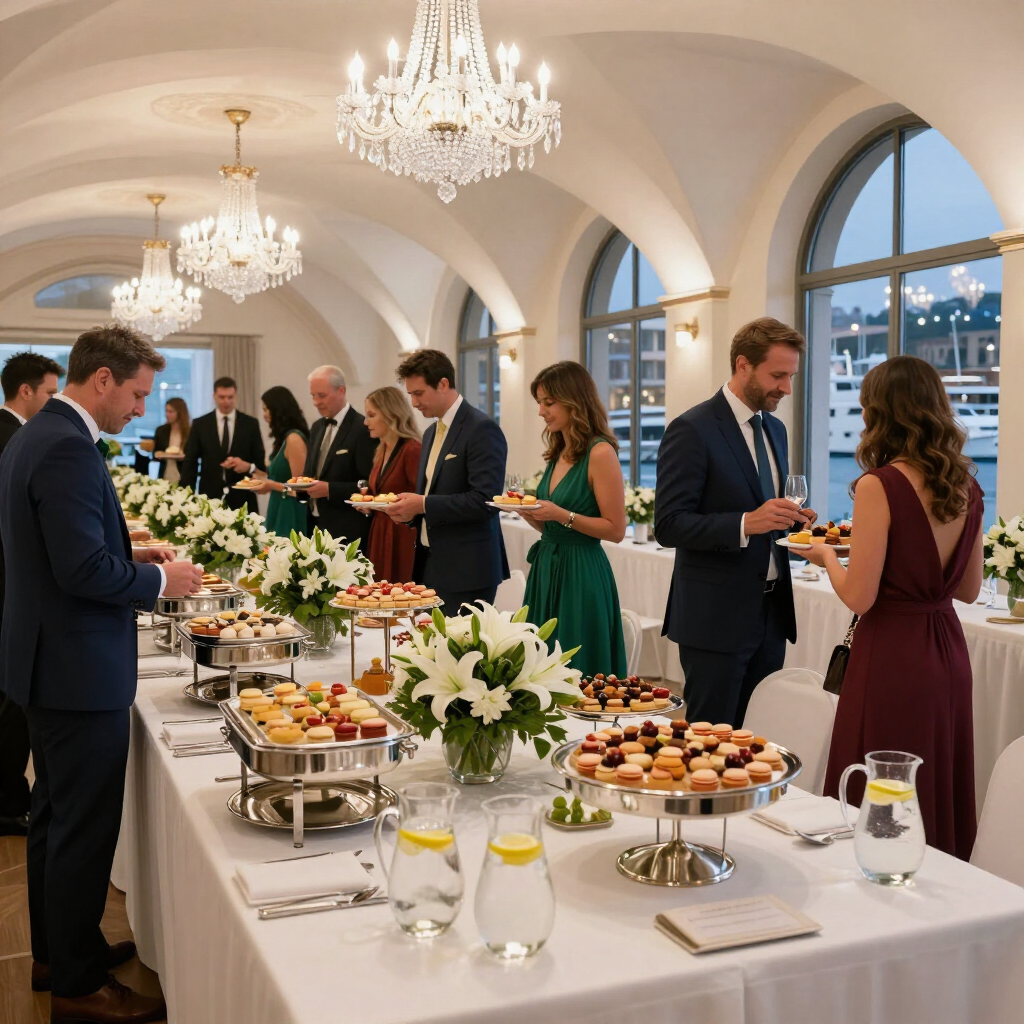
A wedding menu begins taking shape long before the tasting. The setting, season, and approximate number of guests give the culinary team a foundation for developing food that belongs to the celebration.
For couples wondering when to book wedding catering, an early conversation creates room to explore those possibilities. Reserving the date and finalizing every dish are separate milestones; the menu can develop as the plans become more specific.
At Copper Kitchen, our wedding catering experience brings together seasonal, chef-led menu design, private tastings, and event coordination. Each stage connects personal preferences with the experience guests will enjoy.
The windows below are planning reference points. Availability, tasting appointments, and final deadlines depend on the event and the catering agreement.
Around 12 Months or Earlier: Venue and Catering Conversations Begin Together
The venue establishes the setting for the meal. Its spaces, preparation facilities, and permitted service arrangements influence how the culinary experience can unfold.
Catering conversations can begin while venues are still being considered. An estimated guest count, preferred season, and general dining style provide enough context for an initial discussion without requiring a finished menu.
The Setting Helps Define the Possibilities
A reception with a dedicated dining room creates different opportunities from a celebration moving between indoor and outdoor spaces. Kitchen facilities and access arrangements also affect how food is prepared and served.
Our venue partners offer a starting point for exploring settings with different layouts and atmospheres. Considering the setting and catering together helps couples understand how their preferred dining experience could work within a particular property.
At this stage, the goal is a shared direction: a place, a potential date, and an idea of how guests will gather around the food.
About 9–12 Months Before: Booking Gives the Culinary Planning a Foundation
Once the venue and wedding date are confirmed, the catering discussion can move toward a defined proposal. The estimated attendance and preferred service style help establish the initial scope.
Booking at this stage can leave time for menu development and coordination. Popular dates may warrant an earlier inquiry, while a shorter engagement requires a conversation about current availability and the decisions that need attention first.
Reserving the Date and Finalizing the Menu Are Different Milestones
The booking conversation establishes what is required to reserve the date, which details remain open, and when later decisions are due.
Food, beverages, staffing, rentals, and event support need to be addressed according to the proposed scope. Their availability and responsibilities should be clear in the agreement.
That clarity allows the culinary planning to continue with a defined framework while leaving room for the menu to develop.
About 6–9 Months Before: The Menu Finds Its Direction
Menu development begins with the couple’s preferences and the character of the celebration. A favorite flavor, a meaningful food tradition, or an appreciation for seasonal ingredients can guide the conversation.
The aim is to create a meal with balance and a recognizable point of view. Cocktail-hour selections, dinner, and dessert should feel connected while giving each part of the celebration its own identity.
Service Style Shapes How Guests Experience the Food
A plated dinner presents the menu as a sequence of courses. Stations encourage exploration and movement, while a buffet offers a selection within a shared meal period.
The format affects portion planning, presentation, and the way guests encounter each dish. It also needs to suit the venue and the time available for dining.
Copper Kitchen’s guide to how sample menus support event planning explains how early menu ideas become easier to evaluate when the courses are considered together.
About 4–6 Months Before: A Tasting Brings the Menu Into Focus
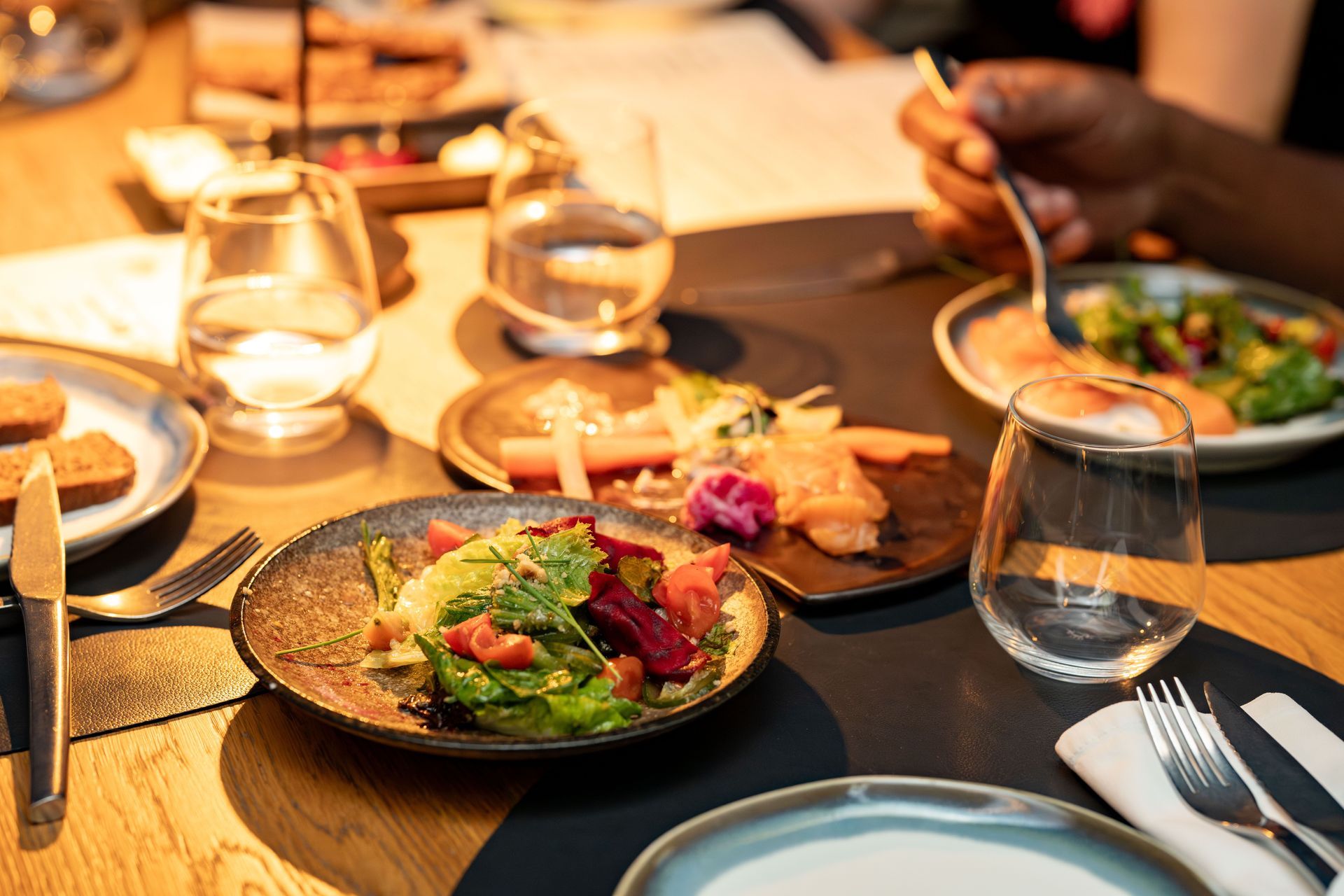
A private tasting creates an opportunity to experience potential selections and discuss them with the culinary team. Flavor, texture, portion balance, and presentation become tangible.
This is the stage where a promising menu direction can become more personal. Feedback may reveal a preference for brighter flavors, a different balance between courses, or a presentation that better reflects the celebration.
The Conversation Extends Beyond Favorite Dishes
A dish needs to work within the complete meal. A generous cocktail-hour selection may lead toward a different dinner progression from a brief reception followed by several plated courses.
Dietary requirements also deserve a direct conversation. Specific allergies, preparation considerations, and potential menu adjustments need to be reviewed with the culinary team rather than inferred from a dish’s name.
Tasting appointments and the order of menu decisions vary by event. The useful outcome is a clearer understanding of the food and the refinements still to be made.
What Flavors Would Make the Wedding Meal Feel Like Yours?
Explore Copper Kitchen’s sample menus for inspiration. A menu conversation can connect favorite flavors, seasonal possibilities, and the dining style that suits the celebration.
Menu Choices Need to Work Within the Service Plan
Guests experience a dish through its flavor, presentation and timing. The menu therefore needs to be considered as a sequence, with each selection contributing to the meal as a whole.
Some dishes suit a composed plated course. Others work well as passed bites or station selections. Choosing the appropriate format allows the culinary team to present each dish as intended.
Our wedding catering services center on seasonal, chef-led menu design, with the service approach developed around the celebration.
Dietary requirements also need attention during menu planning. Identifying those needs early allows the culinary and service teams to discuss suitable selections and how they will be served. Specific allergies and preparation requirements need a direct conversation with the culinary team.
This coordination helps individual meals fit into the overall dinner service, with the agreed accommodations addressed before the wedding day.
Toasts and Formal Moments Influence the Pace of Dinner
Introductions, speeches and dances are important parts of the reception. Their placement affects when courses can be served and when guests can give their attention to the people speaking.
A toast before dinner creates a different service sequence from speeches between courses. The catering team, planner and entertainment team need a shared understanding of those moments.
About 2–3 Months Before: Menu and Service Details Come Together
As the wedding plans become more settled, the menu can be reviewed alongside the reception schedule and room layout.
Cocktail-hour duration, dinner timing, beverage service, and dessert all affect the culinary sequence. The purpose is to give each part of the menu an appropriate place in the evening, with time for guests to enjoy it.
Agreed Responsibilities Support Consistent Service
The catering team, venue, planner, and other event professionals need a shared understanding of the arrangements relevant to food and beverage service.
Access periods, preparation areas, rental responsibilities, and service locations are practical details with a direct effect on execution. Their scope needs to reflect the approved proposal.
For the couple, this coordination brings the culinary and event plans closer together. The menu is no longer a separate list of selections; it is connected to how the celebration will take place.
During the RSVP Period: Guest Information Becomes More Specific
The initial guest estimate supports early planning. RSVP responses gradually turn that estimate into a clearer picture of who will attend and what meal information is needed.
For a plated menu with entrée choices, the response process may need to capture individual selections. Dietary requests and other agreed meal categories may require separate tracking.
Meal Choices Need a Clear Connection to Guests
When service depends on individual selections, names and meal choices need to remain connected as the seating plan develops.
A total number of each entrée may not provide enough information for service at the table. The format used to communicate selections should be agreed upon with the catering team.
A consistent record also makes later updates easier to review. Guest names, meal selections, and dietary notes can be reconciled together rather than maintained in several competing versions.
By the Agreed Deadline: The Final Guest Count Establishes the Service Numbers
The final guest count is a contractual milestone. Its deadline needs to come from the catering agreement, rather than from a general wedding checklist.
At that point, the attendance total and any required meal breakdowns are reviewed together. The information supports food preparation and the service arrangements established for the event.
One Total May Need Several Supporting Details
Depending on the agreed menu and scope, the final information may distinguish adult meals, children’s meals, vendor meals, entrée selections, and approved dietary arrangements.
The relevant categories should be defined in advance. Not every event uses the same breakdown, and no additional meal category should be assumed to be part of the agreement.
Any change after the deadline requires a direct discussion about feasibility and the applicable terms. A clear process keeps the final numbers connected to the plan the culinary team is preparing to serve.
After Final Confirmation: The Focus Moves to the Wedding Table
Once the guest information, menu, and service arrangements have been reconciled, the emphasis shifts toward execution.
The final review connects the approved selections with the latest event schedule, seating information, and designated contacts. It also establishes how any remaining updates will be communicated.
For Copper Kitchen, the purpose of this planning is a dining experience that reflects the couple and welcomes their guests. Seasonal menu design gives the food its character; careful coordination gives that food the setting and service it deserves.
Beginning the conversation early creates time to enjoy the process—from discovering a favorite selection at the tasting to seeing the complete meal become part of the wedding celebration.
Shall We Begin Planning the Meal Your Guests Will Share?
Connect with Copper Kitchen to discuss your wedding date, venue, estimated guest count, and culinary preferences. Together, we can explore the menu direction and planning milestones that suit your celebration.
Related wedding menu and catering planning resources