
What Makes a Great Board Meeting Catering Experience
Board meeting catering should feel polished, quiet, organized, and easy for attendees to enjoy without interrupting the purpose of the meeting. For executive sessions, trustee meetings, leadership retreats, and formal business gatherings, the right catering plan supports focus, comfort, and professionalism from the first coffee service to the final course. At Copper Kitchen, board meeting menus are planned around more than food. Timing, service flow, room layout, dietary needs, presentation, and transitions all shape how the experience feels. A well-managed meal allows leaders, guests, and hosts to stay focused on the conversation instead of the logistics behind it.
Why Board Meeting Catering Needs Careful Planning
A board meeting has a different rhythm than a casual office lunch or employee celebration. The room often needs to stay calm, the schedule may be tight, and the food service should support the agenda without becoming a distraction. This is where thoughtful corporate catering matters. A breakfast setup may need to be ready before attendees arrive. Lunch may need to happen between sessions. Coffee, tea, and refreshments may need to remain available without disrupting presentations or discussion. Copper Kitchen helps hosts think through these details before the event begins, so the service feels intentional rather than reactive.
What’s Included in Board Meeting Catering?
A great board meeting catering experience usually includes planning, preparation, setup, service, and cleanup support. The exact details depend on the meeting length, guest count, venue, and service style. Important inclusions may include:
- Menu planning for breakfast, lunch, refreshments, or dinner
- Setup that fits the room layout and meeting schedule
- Coffee, tea, beverages, and refreshment planning
- Service staff for buffets, plated meals, or discreet support
- Breakdown and cleanup after food service
These details are especially important for business catering because board meetings often run on a structured agenda. Food should be ready when needed, easy to access, and presented in a way that reflects the importance of the gathering.
Menu Planning That Supports the Agenda
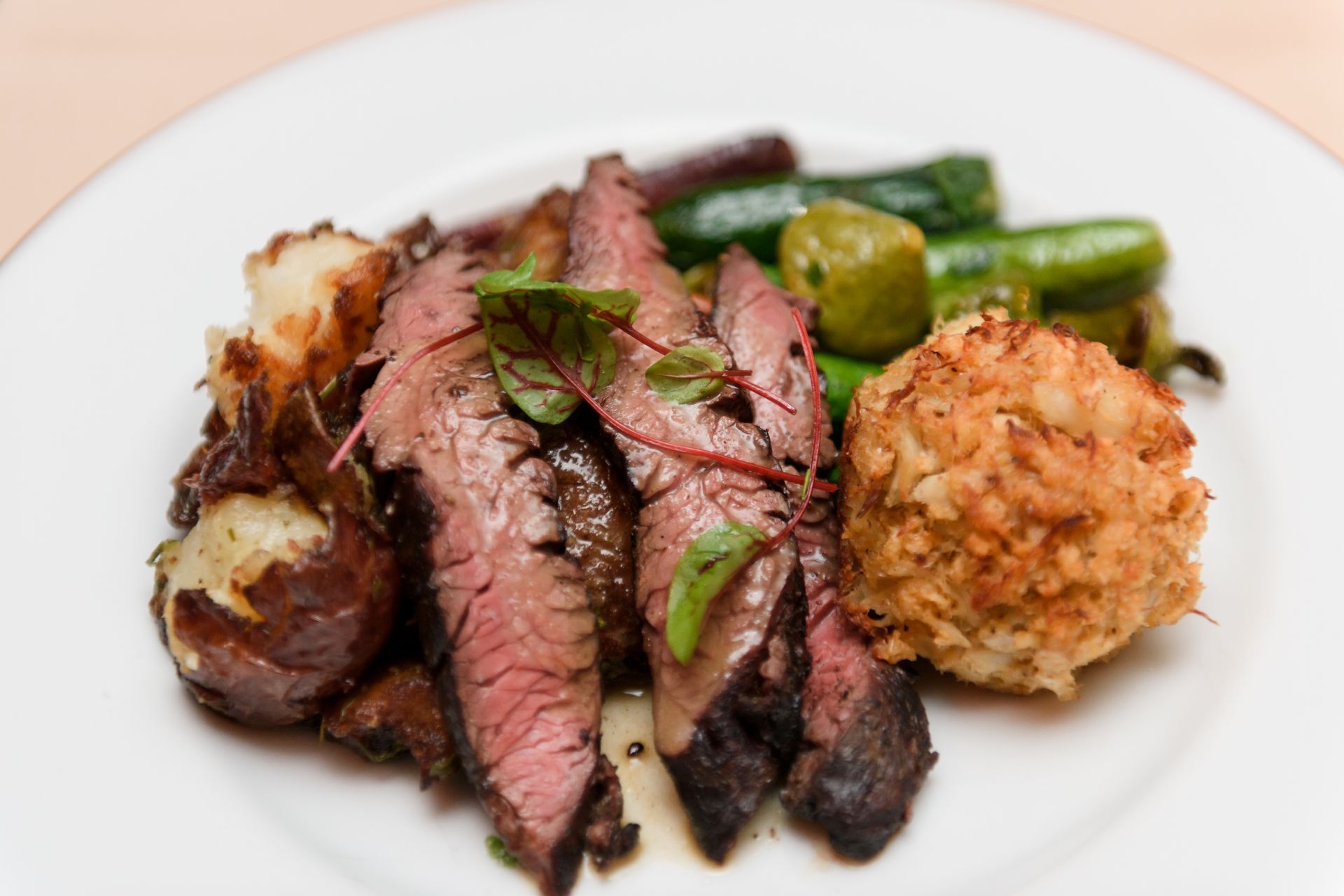
A strong menu should match the pace of the meeting. Heavy food can make an afternoon session feel slow, while too-light options may leave attendees distracted. The best approach is usually balanced, seasonal, and practical. For a morning session, Copper Kitchen may recommend a lighter breakfast with coffee and tea service. For a full-day board meeting, the menu may need to move through several moments of the agenda, from breakfast and lunch to afternoon refreshments or dinner service. This is where a planned board meeting menu can help the day feel structured without making the food service feel intrusive. For hosts who want to see how this can look in practice, they can explore Copper Kitchen’s Board Meeting + Dinner menu. Good food catering for board meetings should feel generous, but not complicated. The goal is to keep attendees comfortable while allowing the meeting to move naturally.
Service Flow Matters as Much as the Menu
A polished board meeting depends on timing and movement. If guests have to wait too long for food, the agenda can fall behind. If the buffet is placed in the wrong area, people may crowd the doorway or interrupt the meeting setup. If beverages are not easy to access, attendees may leave the room more often than expected. Copper Kitchen considers how food will move through the event. That includes when service should begin, where stations should be placed, how staff should enter the room, and when cleanup should happen. For larger executive events, retreats, or multi-session gatherings, planning may also connect to a broader event catering strategy.
Select a Service Format That Respects the Meeting
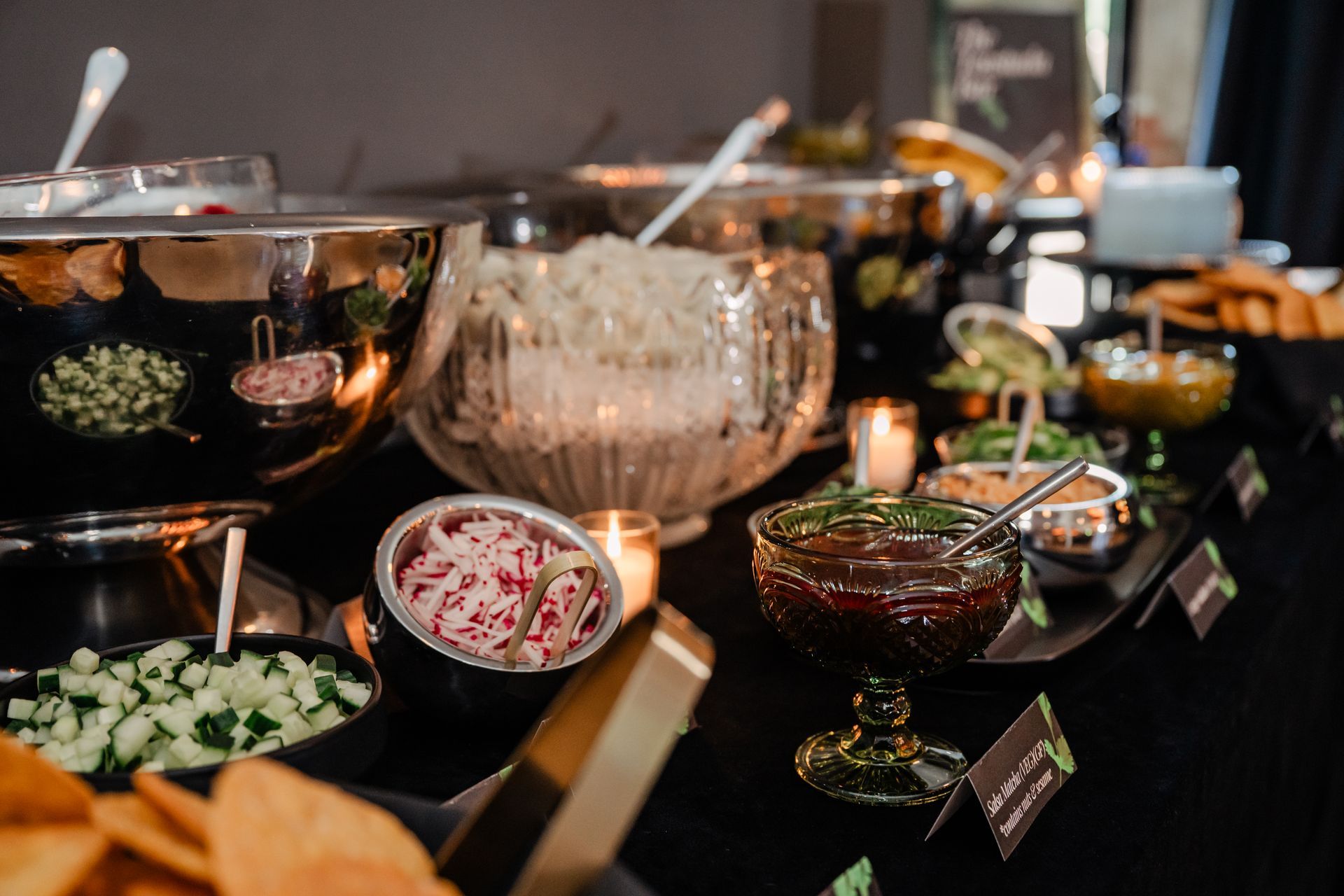
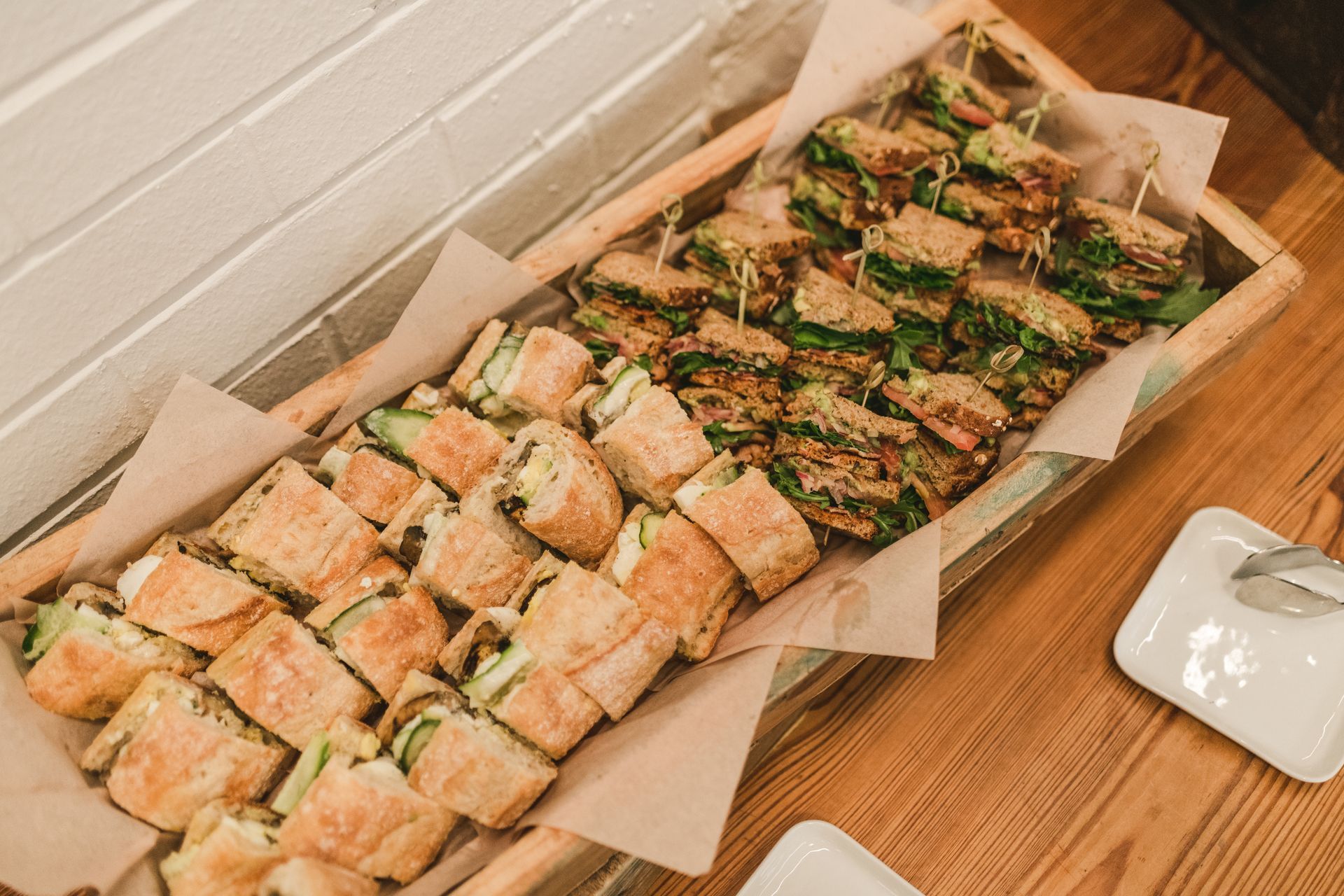
The best service format depends on the tone of the meeting and how much time is available. Some board meetings need discreet plated service so the conversation can continue without interruption. Others work better with a clean buffet or a beverage station placed outside the main room, especially when attendees have short breaks between sessions. A continental setup can work well for early arrivals because it keeps breakfast light, simple, and quiet. Buffet service is useful for scheduled meal breaks when guests need variety without slowing down the meeting. For formal board dinners, a plated meal can create a polished and structured experience that matches the tone of the occasion. For full-day meetings, refreshment stations help keep beverages and light bites accessible without pulling people away from the agenda. Passed service may also work well before or after the meeting when the event includes a reception, transition period, or time for informal conversation. For office catering, the right setup can make a meeting feel more organized without making the room feel overly formal. Copper Kitchen helps match the service style to the agenda, venue, and guest expectations.
Details That Create a Professional Impression
Board members, executives, donors, and invited guests often notice the details even when they are not spoken aloud. A clear beverage station, polished presentation, labeled dietary options, and smooth service transitions can all shape the tone of the meeting. Strong corporate event catering should reflect the professionalism of the organization hosting the event. That does not always mean the most elaborate menu. Sometimes the best choice is a thoughtful, well-paced setup that feels calm, appropriate, and easy to navigate. Copper Kitchen brings that perspective into planning, helping hosts create a catering experience that feels aligned with the purpose of the meeting. For formal business gatherings, leadership events, or trustee meetings, Copper Kitchen can help shape a menu and service plan that fits the agenda. You can also view the Board Meeting + Dinner menu for more inspiration.
Questions to Ask Before Booking
Before booking a catering partner, it helps to ask questions that go beyond the menu. These questions can show whether the team understands the needs of formal business events. Ask about:
- How service timing will match the meeting agenda
- Whether staff can support quiet or discreet service
- How dietary needs will be labeled and managed
- Where food and beverage stations should be placed
- What cleanup and breakdown support is included
The answers help prevent last-minute confusion and give the host more confidence going into the event.
Make the Meeting Feel Effortless
The best board meeting catering experience feels calm and seamless. Attendees should feel cared for, but the food service should never compete with the purpose of the meeting. When the menu, timing, setup, and staff are planned well, the host can focus on the people in the room. Copper Kitchen helps organizations plan catering that feels thoughtful, professional, and aligned with the importance of the occasion.
Start Planning Board Meeting Catering With Copper Kitchen