
Late-summer wedding menus for elegant Maryland celebrations
A late-summer wedding menu can highlight ripe produce, Maryland flavors, and the warmth of the season without making the reception feel like an informal picnic. The difference comes from balance: seasonal ingredients provide freshness, while presentation, service style, pacing, and venue coordination create a polished wedding experience.
For couples planning an August or early September celebration, the goal is not to make every dish announce the season. A refined menu uses late-summer ingredients selectively and connects them through a thoughtful progression from cocktail hour to dinner and dessert.
Planning a late-summer wedding in Maryland?
Explore Copper Kitchen’s
wedding catering services to begin shaping a menu around your venue, guests, and celebration style.
What makes a late-summer wedding menu feel seasonal?
A seasonal wedding menu should reflect the time of year without depending on a theme. Late summer offers bright produce, herbs, fruit, local seafood, and grilled or roasted flavors that can feel both relaxed and elegant.
The menu becomes more sophisticated when those ingredients are used with restraint. A tomato may appear in a composed starter rather than in several courses. Fresh corn could complement an entrée without becoming the defining idea behind the entire reception. Stone fruit might bring acidity or sweetness to a sauce, salad, cocktail, or dessert.
This approach gives guests a sense of the season while preserving variety. It also allows the menu to feel personal rather than built from a predictable list of summer dishes.
How can seasonal ingredients still feel formal?
Seasonal and casual are not opposites. The level of formality comes from how ingredients are prepared, presented, and served.
A familiar ingredient can feel appropriate for a formal reception when it is incorporated into a composed plate with complementary textures, sauces, and garnishes. Consistent plating and well-paced service also influence how guests experience the meal.
For couples who prefer an elegant reception, plated catering can create a defined dining moment. Each course arrives with the same presentation, guests remain seated, and the meal can be coordinated with speeches, dances, and other parts of the timeline.
Couples can review
Copper Kitchen’s
sample menus
to see how seasonal ideas can be developed into a complete wedding dining experience.
Let cocktail hour introduce the season
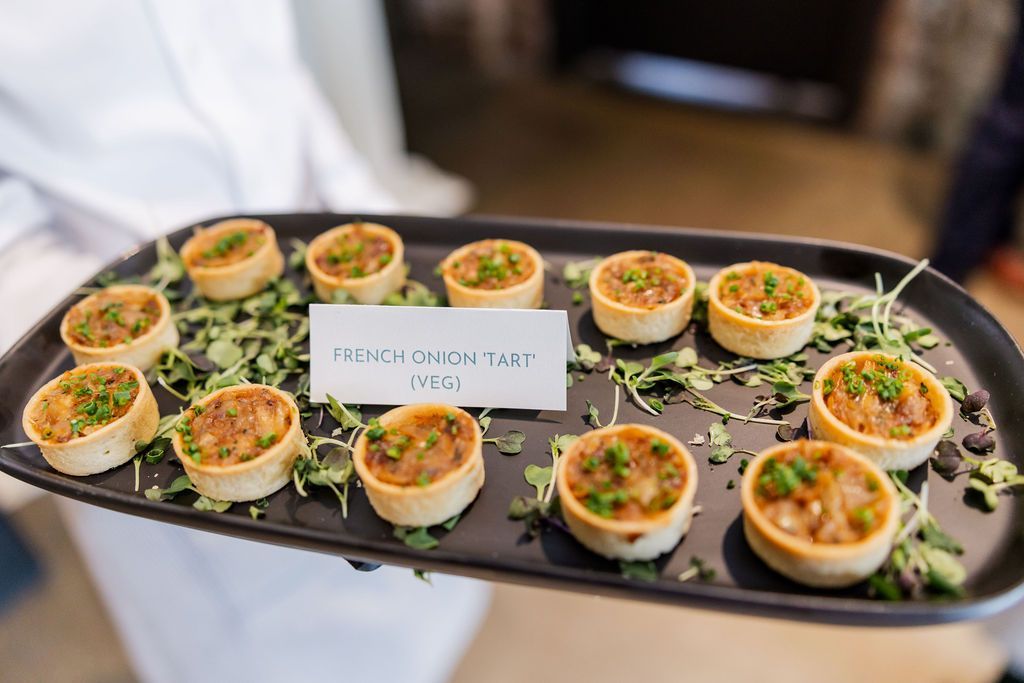
Cocktail hour is an ideal place to use late-summer flavors more playfully. Passed appetizers and beverages can feel fresh and expressive without setting an overly casual tone for dinner.
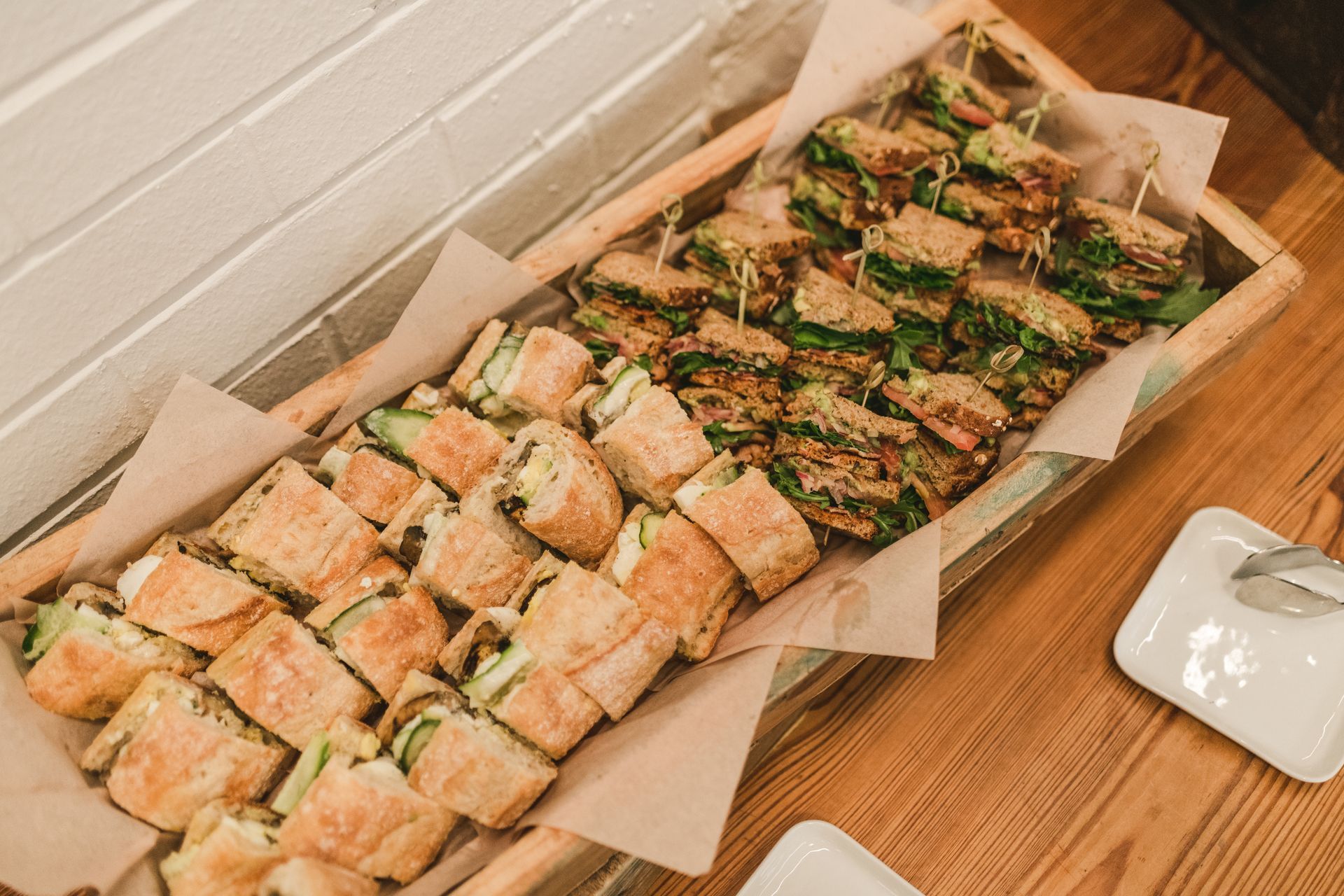
A well-designed cocktail hour might combine one or two warm bites with lighter selections and a seasonal drink. The food should be easy to enjoy while guests stand, talk, and move through the space. It should also feel substantial enough for the timeline without competing with the meal that follows.
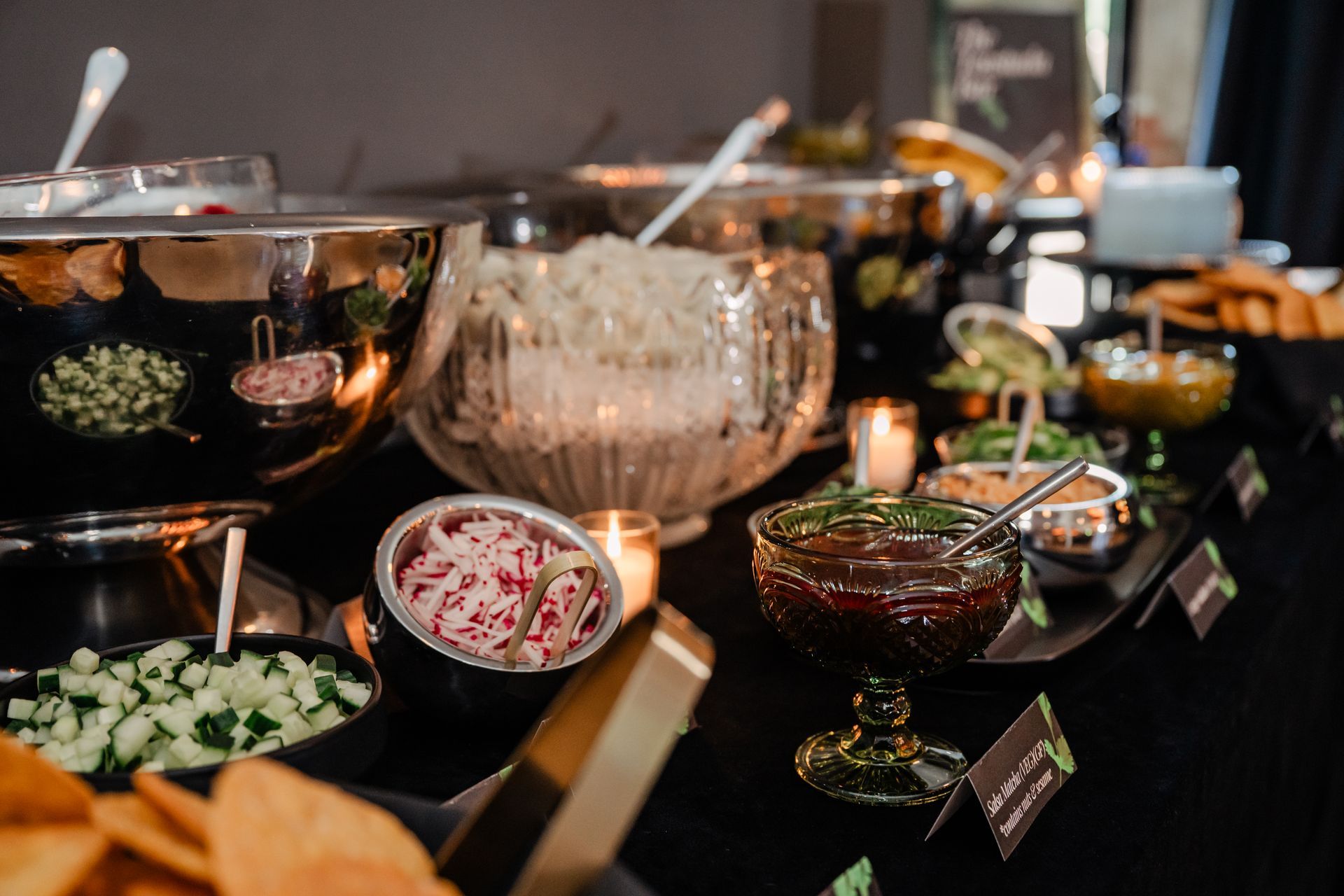
Presentation matters as much as the individual selections. Passed service creates movement and brings food directly to guests. A carefully styled station can add visual interest, but it should be positioned so that it does not create congestion around the bar or entrance.
Should cocktail hour feel lighter than dinner?
Usually, yes.
Cocktail hour should welcome guests and maintain their comfort while preparing them for the meal ahead.
If dinner follows shortly, a smaller selection of refined bites may be enough. When photos, room transitions, or venue logistics create a longer interval, the menu may need additional variety. The right amount depends on timing, guest count, beverage service, and the dinner format. A wedding caterer should consider those factors together rather than treating cocktail hour as a separate event.
For more guidance on this part of the reception, read more on
Cocktail hour catering for weddings, galas, and private events .
Want a cocktail hour that feels seasonal, polished, and connected to dinner? Copper Kitchen can coordinate the menu, beverage service, staffing, and reception flow as part of a complete wedding catering plan.
Choose a dinner style that matches the reception
The dinner format shapes the pace and atmosphere of the celebration. Plated service typically feels more structured, while stations or buffets create greater movement and choice. Neither option is automatically formal or casual.
A plated dinner can work especially well when the couple wants a calm dining interval before speeches or dancing. Courses can be paced around the reception timeline, and each plate can present seasonal ingredients with consistency.
Stations can also feel elevated when the room layout, presentation, service, and menu are carefully planned. Chef-attended stations or a combination of passed and stationed food can offer variety while maintaining an intentional experience. The decision should reflect the venue, guest count, desired pace, and amount of movement already built into the evening.
Can a buffet feel elegant at a late-summer wedding?
Yes. A buffet can feel elegant when it is treated as part of the event design rather than simply a place to collect food.
Presentation, serving pieces, menu descriptions, staff support, table release, and placement within the room all affect the experience. The food should hold well and remain attractive throughout service. If the couple wants the freedom of a buffet but prefers a more formal atmosphere, the catering team can help control the flow so guests are not waiting in long lines or leaving their tables at the same time.
Let the venue guide the menu and service plan
A wedding menu should work within the physical setting. Kitchen access, indoor and outdoor transitions, service paths, room layout, and distance between preparation and dining areas all influence what can be served successfully.
An outdoor cocktail hour followed by an indoor plated dinner requires a different plan from a reception held entirely in one room. Historic properties may offer a distinctive atmosphere but introduce particular access or timing considerations. A venue with a fully equipped commercial kitchen may allow for other service possibilities.
Couples should discuss these details before finalizing individual dishes. Copper Kitchen’s venue partners include a range of Maryland settings with different layouts, styles, and guest experiences.
Plan for late-summer weather without letting it define the wedding
August and early September celebrations in Maryland may include heat, humidity, or a transition from warm afternoons to cooler evenings. The catering plan should support guest comfort without turning the weather into the central theme.
Cold beverages should be accessible at the appropriate time, particularly after an outdoor ceremony. Cocktail-hour selections need to perform well in their serving environment, and dinner timing should account for movement between outdoor and indoor spaces.
A weather-conscious plan feels seamless to guests. Refreshments appear when needed, food remains appropriately presented, and transitions happen without the couple having to manage them.
Consider the full range of guests
A memorable menu should feel cohesive while giving guests thoughtful choices. Dietary planning is part of hospitality, not an interruption to the creative process.
Vegetarian entrées and other accommodations should receive the same attention as the primary selections. They should feel connected to the rest of the menu in presentation, flavor, and seasonality.
Guest experience also depends on pace. Older relatives, children, guests with accessibility needs, and people unfamiliar with the venue may experience stations or long transitions differently. Seating, service routes, signage, and staff support help make the reception comfortable for everyone.
How does a tasting refine the final menu?
A tasting allows couples to consider the menu as an experience instead of evaluating isolated dishes. Flavor remains important, but the conversation should also include portion size, presentation, service order, dietary accommodations, and how each course connects to the reception timeline.
This is also the right moment to decide whether the menu feels sufficiently seasonal or whether it relies too heavily on one flavor or ingredient. A dish may be appealing on its own but unnecessary if another course already performs the same role.
The strongest late-summer menus create contrast. Cocktail hour may feel lively and bright, while dinner becomes calmer and more composed. Dessert can then bring back a playful seasonal detail without repeating the entire meal.
Create a late-summer menu that feels like your wedding
The season should support the wedding rather than overpower it. A late-summer menu can include local ingredients and warm-weather flavors while still feeling formal, personal, and suited to the venue.
The most successful plan connects cocktail hour, dinner, drinks, and dessert through deliberate choices. Service style controls the pace, presentation establishes the level of formality, and venue coordination allows each part of the menu to work as intended.
Copper Kitchen creates personalized wedding catering experiences using thoughtful seasonal menus, professional service, and detailed event coordination.
Contact Copper Kitchen to discuss your wedding date, venue, guest count, and menu ideas.