
Corporate Lunch Catering for Year-End Meetings: Service Formats That Keep the Schedule Moving
A year-end meeting often brings a full agenda to the table: financial reviews, plans for the coming year and recognition of the people behind the work. Lunch offers a welcome opportunity to gather around something shared, with fresh flavors and attentive service giving the occasion its own character.
Corporate lunch catering works well when the dining experience has a defined place within that agenda. The service format influences when guests receive their meals, how they move through the space and how much time remains to enjoy the food.
At Copper Kitchen, chef-led menus and event planning bring those details together. A seated lunch, buffet or collection of stations can each support a business gathering beautifully when the menu and service reflect the time available.
The Lunch Window Begins Before the First Plate Is Served
A lunch scheduled for noon represents several connected moments. Food service must be ready, guests need time to receive their meals, and the final table deserves an opportunity to dine before the afternoon session begins.
That distinction matters when comparing formats. The first guest reaching a buffet and the final guest returning to a seat experience different portions of the same break. With seated service, the sequence of courses and the number of tables influence how the meal unfolds.
Time at the Table Deserves Its Own Place
A useful lunch plan accounts for setup, serving, dining and clearing. Those stages may overlap, but each needs consideration.
This approach gives the culinary experience room to be enjoyed. Guests can appreciate the meal and conversation, while the host has a clearer understanding of how lunch connects with the next presentation.
Seated Service Gives a Shared Lunch a Defined Rhythm
A plated lunch creates a shared dining experience. Guests remain at their tables, and each dish arrives as a complete composition, with its flavors, textures and portions balanced by the culinary team.
This format can suit executive discussions, client meetings and year-end gatherings where conversation around the table is central to the occasion.
Course Count Shapes the Service Sequence
A single-course lunch and a meal with several courses have different scheduling needs. Each additional course brings another stage of service and clearing.
For a focused midday gathering, a composed main course may provide the desired sense of occasion within a concise format. A longer appreciation lunch may allow time for a separate opening course or dessert.
Copper Kitchen’s sample catering menus offer a starting point for exploring the culinary direction before the final menu and format are established.
Buffet Service Depends on Access as Much as Variety
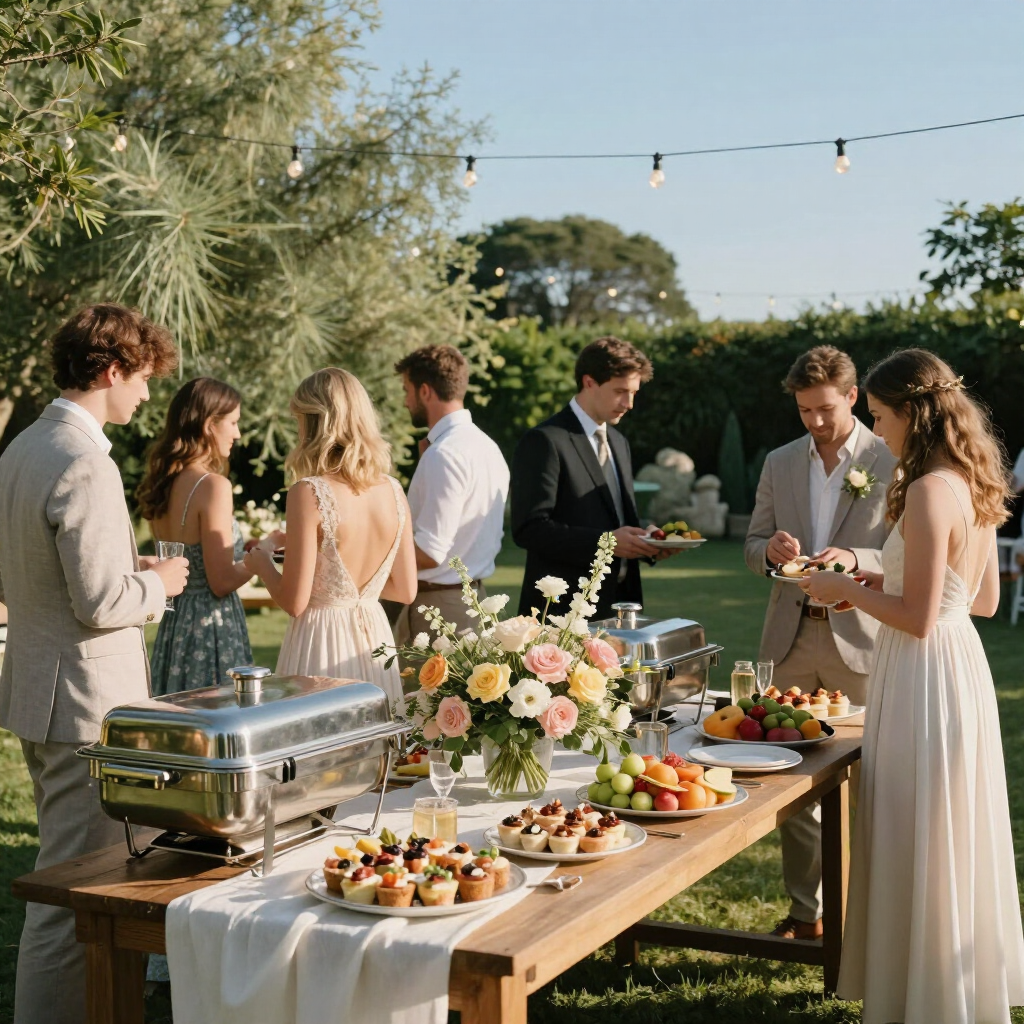
A buffet gives guests a choice of dishes and a natural opportunity to step away from the meeting table. Its timing depends on how people approach the food, make their selections and return to their seats.
Guest count alone does not determine how quickly service will move. The arrangement of dishes, access to plates and the route through the room all influence the experience.
The Final Guest’s Dining Time Matters
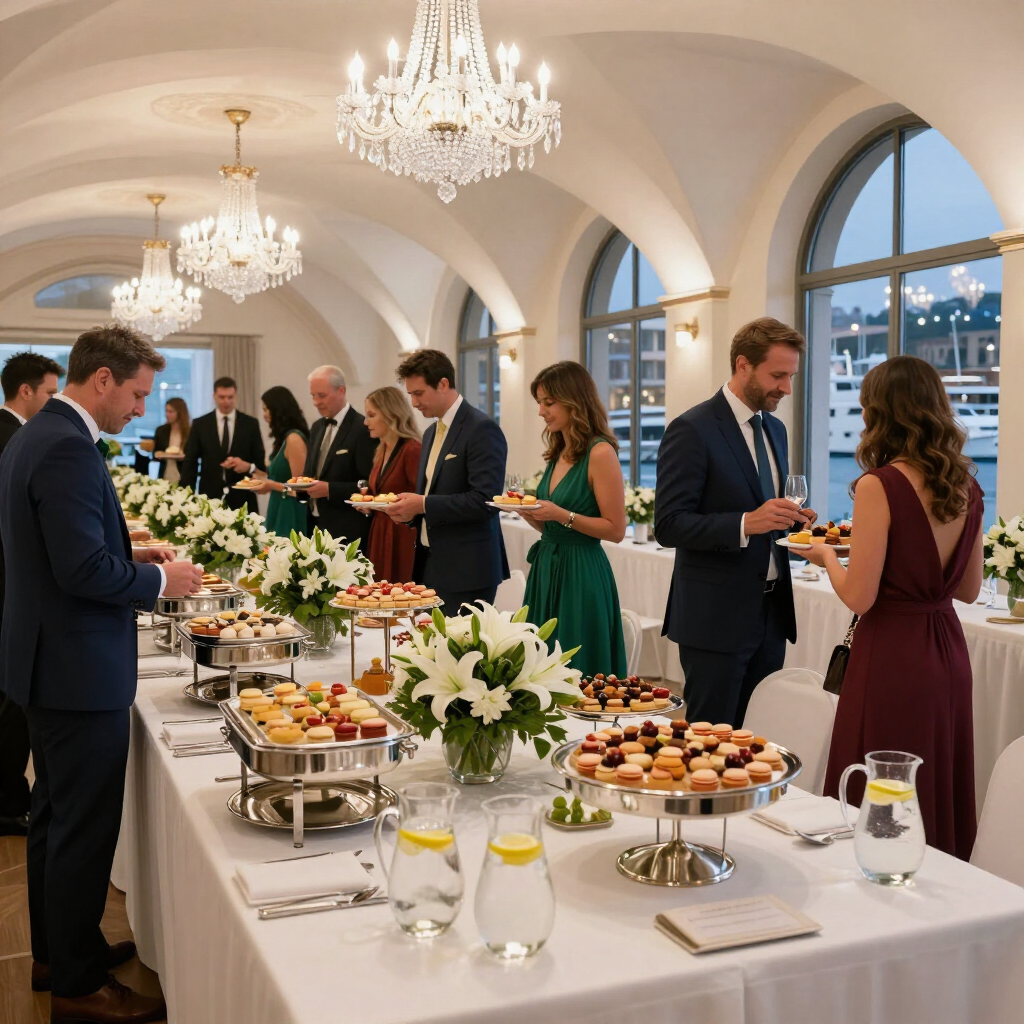
A buffet plan needs to account for the time required to serve every guest. Where the venue and menu allow, access from multiple sides or additional serving points may help distribute guest traffic.
Beverage stations and other frequently visited areas also deserve consideration. A clear layout allows guests to make their selections comfortably and settle into the meal.
The experience can feel generous and inviting, with variety presented in a way that respects the meeting’s allotted lunch period.
Stations Create Flexibility When the Agenda Allows Movement
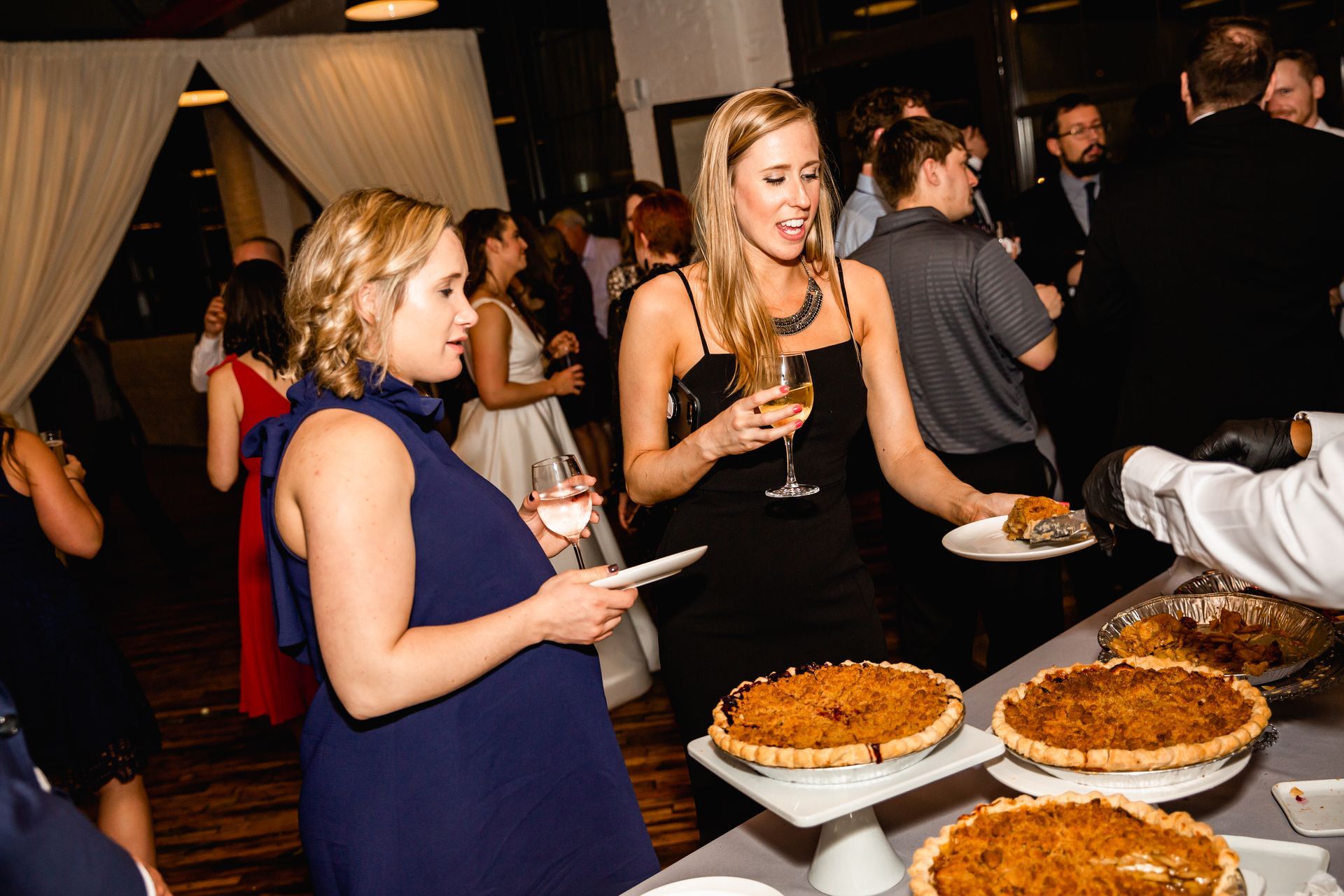
Food stations can give a year-end lunch a social character. Guests may gather around different culinary presentations, reconnect with colleagues and move between conversations.
They can also suit a program where departments or groups take their lunch breaks at different times. In that setting, the service plan needs to reflect arrival patterns and the duration of the meal service.
Each Visit Contributes to the Complete Meal
Stations work differently from a single buffet line. Guests may visit several locations before sitting down, and some dishes may be prepared or finished individually.
Those interactions can be an appealing part of the experience when the agenda provides room for them. Planning brings together the selected stations, anticipated attendance and available space.
A station-based lunch feels cohesive when its offerings form a satisfying meal and its layout makes the choices easy to explore.
Which lunch format would give your team the right balance of dining and conversation?
Explore Copper Kitchen’s corporate catering services to begin a conversation about the menu, guest count and service style for your year-end meeting.
Seasonal Menus Bring Character to a Business Lunch
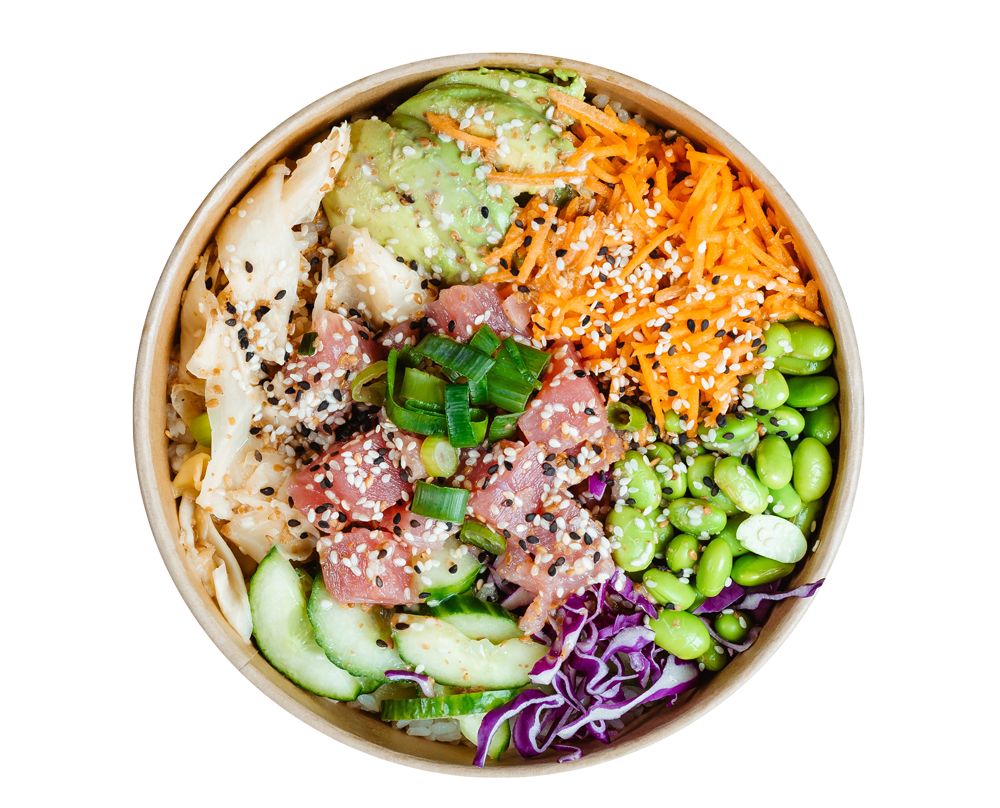
A corporate meal can feel distinctive through the quality of its ingredients and the care of its composition. Seasonal vegetables, contrasting textures and complementary flavors give the menu interest without requiring an elaborate sequence of courses.
The service format helps shape those choices. A plated dish is composed for each guest.
A buffet menu needs selections that pair naturally in different combinations. Stations benefit from a clear culinary identity at each presentation.
Presentation and Service Belong in the Same Culinary Conversation
How a dish is finished, portioned and served affects the way guests experience it.
Developing the menu alongside the service plan helps preserve those details within the available lunch period.
Copper Kitchen’s culinary team and approach bring fresh ingredients, menu development and attentive service together. For the host, that means the food and its presentation can be considered together as the event takes shape.
Dietary Planning Should Follow the Same Service Rhythm
Dietary accommodations deserve attention within the chosen format. For seated service, planning may involve identifying individual meals and the guests receiving them. At a buffet or station, menu information and serving arrangements need to reflect the dishes being presented.
Copper Kitchen designs menus for a range of dietary preferences and requirements.
Specific requests require a conversation with the culinary team so the proposed menu and relevant preparation considerations are clearly understood.
Clear Information Supports a Cohesive Dining Experience
Guest information helps establish quantities, individual requirements and serving arrangements. A vegetarian preference and a reported food allergy call for different conversations; a general dietary label does not communicate every relevant detail.
Copper Kitchen’s event catering guides offer further planning resources, with guidance on gluten-free catering.
Addressing these details during menu development gives dietary planning a defined place in the lunch service.
THE TRANSITION BACK TO BUSINESS IS PART OF THE MEAL PLAN
The end of lunch may lead into a presentation, a recognition segment or another round of discussion. Each transition suggests a different approach to dessert, coffee and clearing.
A dessert served at the table creates a shared closing moment. A separate refreshment area may allow guests to continue conversations before returning to the meeting. The appropriate arrangement depends on the room and the program.
ROOM ACCESS SHAPES THE FINAL SERVICE DETAILS
A lunch held in the presentation room requires different coordination from one served in an adjacent dining space. Staff access, table clearing and the location of refreshments all affect the transition.
These details help define the service proposal. Staffing, equipment, rentals and breakdown responsibilities are established for the particular event.
A Well-Planned Lunch Gives Year-End Recognition a Personal Setting
A shared meal offers space to acknowledge accomplishments and enjoy the company of colleagues. The occasion can feel intimate at an executive table or lively across a larger team gathering.
Working with Copper Kitchen brings the culinary experience and the purpose of the event into the same planning conversation. Chef-led menus, seasonal ingredients and coordinated service help shape a lunch around the people attending and the time they will share.
For a year-end meeting, the aim is a meal that feels generous, welcoming and appropriate to the day. A clear service plan gives guests time to enjoy the food and helps the host connect the dining experience with the rest of the gathering.
What would you like your team to experience at this year’s closing lunch?
Discuss your event with Copper Kitchen. The event date, anticipated guest count, location and meeting agenda provide a starting point for a menu and service conversation shaped around your gathering.
Related corporate lunch and event planning resources